
On November 3, 2026, in Cayenne, the organizations supported by the CORÉOM program met for a regional co-design and knowledge-sharing workshop. Based on their experiences of cooperation with Brazil, Suriname, and Guyana, the discussions highlighted a sometimes less visible reality: beyond geographical proximity, building sustainable partnerships requires time, resources, and a constant capacity to adapt.
French Guiana shares borders with Brazil and Suriname. On the map, the neighbors are close. In reality, reaching them can take several days, require complex visa procedures, and mobilize human and financial resources that are rarely anticipated.
This is one of the lessons learned from the territorial workshop organized on November 3 at the French Development Agency in Cayenne, as part of the capitalisation process of the CORÉOM programme, led by La Guilde with the support of the AFD and the Fondation de France, in partnership with regional multi-actor networks.
Four winning organizations shared their experiences: CEDEFOG, GEPOG, the Maison de la photographie Guyane Amazonie (MAZ), and Nature Rights Guyane. Their projects led them to work with partners in Suriname, Guyana, and Brazil.

Starting from experiences to bring out common lessons
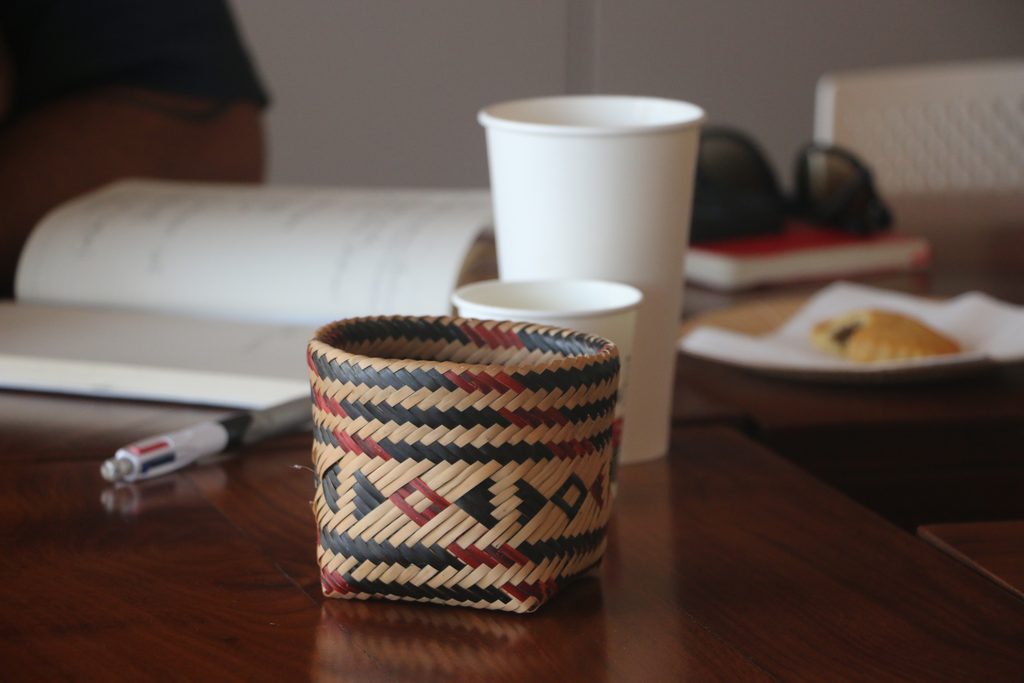
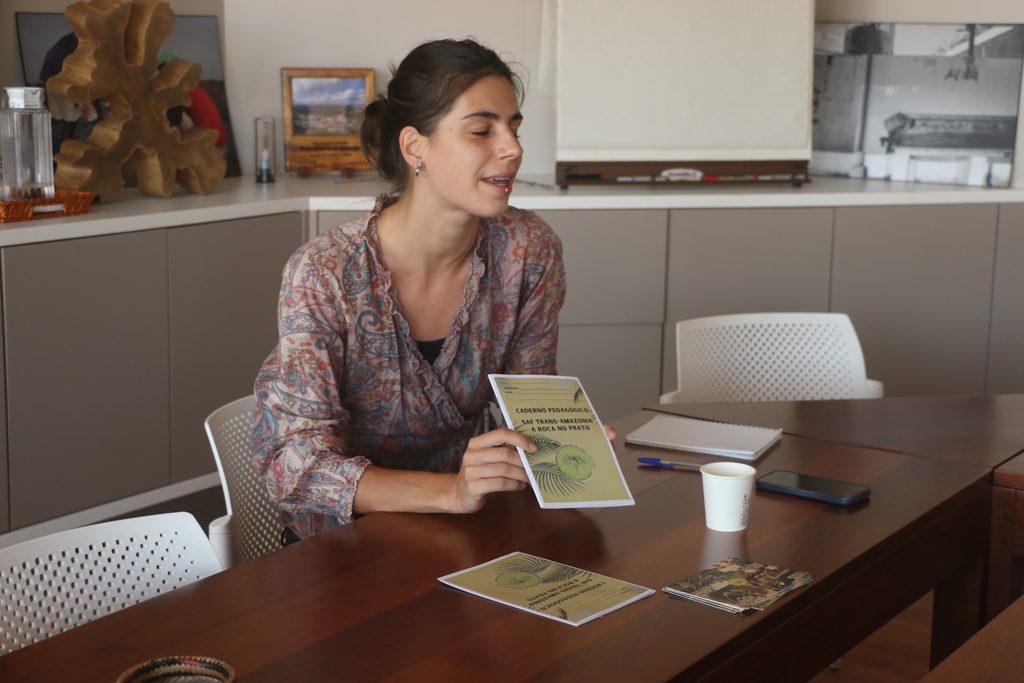
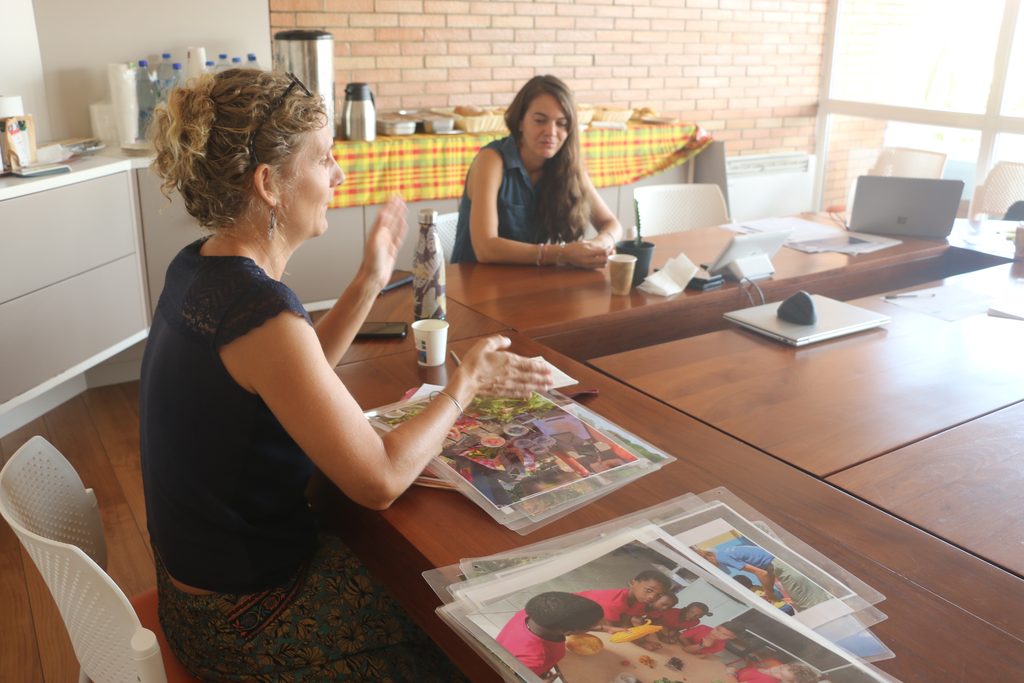
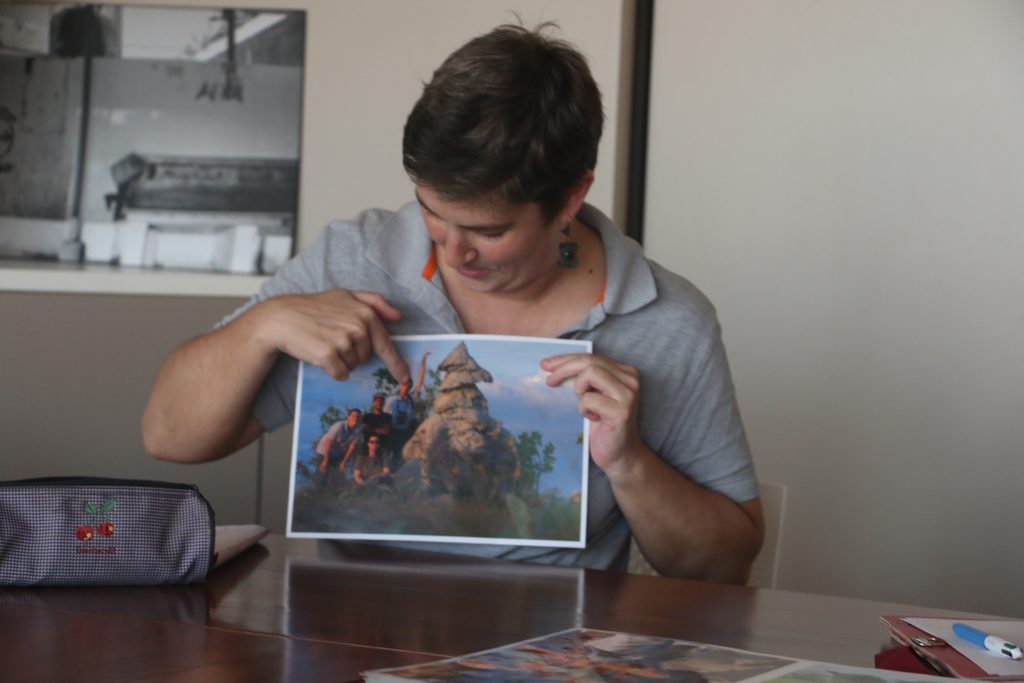
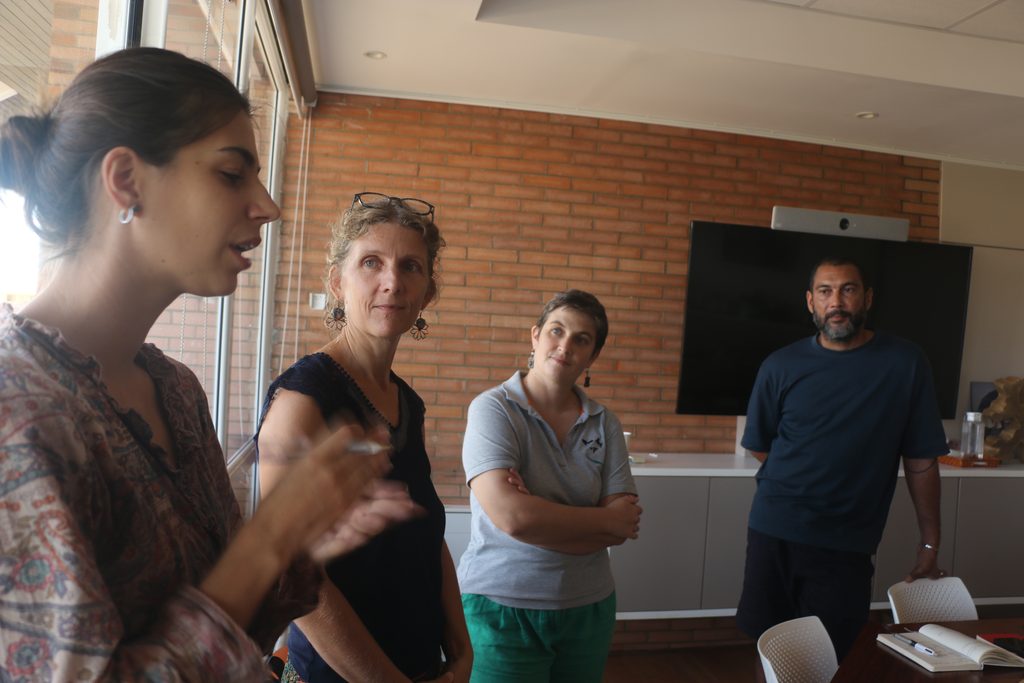
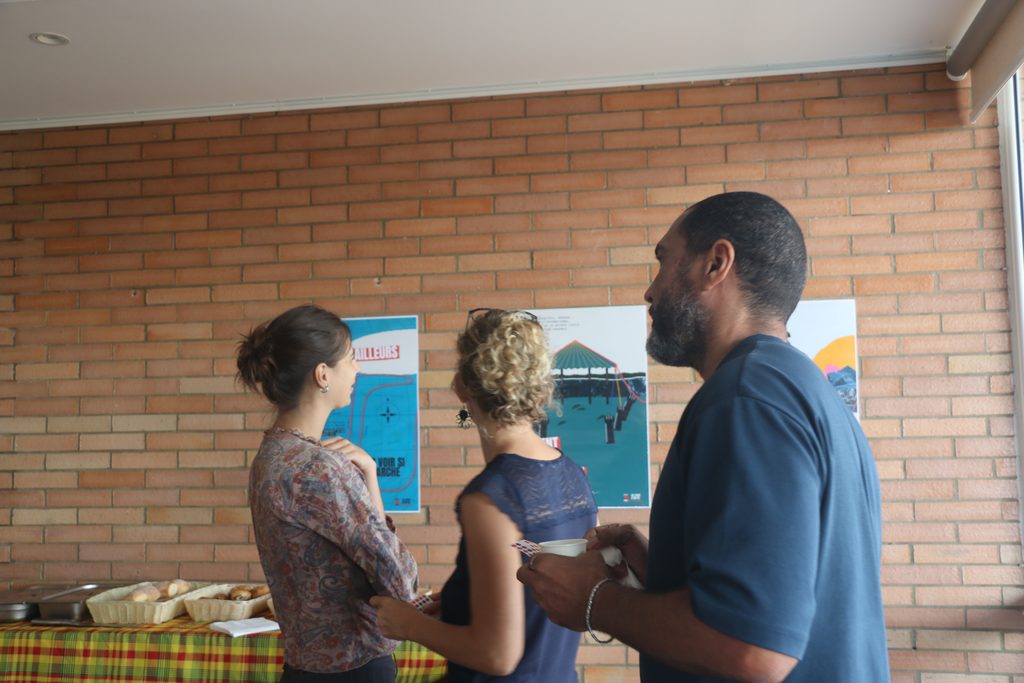
The main objective was to compare the initial lessons learned from the capitalization process with the lived experiences of those who led the collaborative projects. To encourage discussion, participants were invited to bring an object that told the story of their journey. A basket, photographs of community gardens, an educational notebook, or even a field image thus became entry points into the projects' histories.
These objects revealed sometimes less visible dimensions of cooperation: words that do not translate directly, differences in representations, cultural adjustments, and the importance of interpersonal relationships.
For example, an educational kit had to be redesigned in the form of a basket to be understood by the Brazilian partners. Elsewhere, the concept of a community garden did not encompass the same realities and required a collaborative definition process in several languages.
A concrete illustration of what cooperation means: accepting that tools, words and ways of doing things cannot always be transposed as is.
Mentoring, support that makes all the difference
Among the feedback gathered, one observation stood out: support was a key factor. For some organizations, having an available contact person and assistance in preparing their application was a new experience. The help provided with the letter of intent was particularly valued by all the project leaders present.
The support also helped overcome certain administrative difficulties, improve partnerships, and maintain contact remotely. However, participants also highlighted the limitations when difficulties extend beyond the scope of an individual project.
Visas, travel, response times from partners and differences in administrative practices are all constraints that require support and resources beyond the simple relationship between a structure and its facilitator.
When people leave, knowledge is at risk of disappearing.
Another topic that particularly stood out during the discussions was knowledge transfer within organizations. In French Guiana, career paths are sometimes short. Employees arrive for one or two years, take charge of a project, and then leave. When procedures, contacts, and the history of decisions rely on a single person, their departure jeopardizes the project's continuity and complicates its administrative and financial closure.
Participants expressed a need for better organization of shared responsibilities and information retention. This issue is not solely about project memory; it also concerns the ability of organizations to preserve their achievements and continue their collaborations beyond the individuals who initiated them.
Another identified difficulty is that administrative and financial requirements are sometimes only truly understood at the time of closing, whereas they should be grasped from the outset. Simply providing documents is not enough; teams must also be given the tools to use them effectively on a daily basis.
The contribution of Guyanese experiences to the capitalization of the pilot phase
The workshop confirmed several lessons already identified in the CORÉOM approach, but also enriched them based on the realities of the territory.
Seven key lessons emerge:
- Geographical proximity does not guarantee close cooperation: travel, visas and languages have a cost.
- Cooperating means adapting to other cultures and other ways of making decisions.
- The time required to build a partnership must be recognized as a component of the project.
- Knowledge must remain within the structures, beyond the individuals who initiate the initiatives.
- Administrative rules must be appropriate and implemented from the outset.
- Individual support and group sessions are complementary.
- Scaling up is not necessarily a goal for all organizations.
This last point highlights the importance of not confusing consolidation with growth. Not all organizations are destined to grow in the same way. The challenge is also to enable them to strengthen their capabilities at their own pace and find their place within a cooperative ecosystem.
Preparing for what comes next: anticipating, transmitting, and connecting
The needs expressed during the workshop open up several avenues for evolving the support methods of the program.
This includes better anticipating mobility and translation costs, taking visa processing times into account in schedules, offering appropriate management tools from the selection stage, and facilitating handovers within structures.
Participants also highlighted the importance of having reliable contacts on both sides of borders, pooling certain resources, and offering group activities beyond Cayenne.
The presence of Guyacoop, the multi-stakeholder regional network of French Guiana, made it possible to initiate this connection with the territorial animation system which is expected to play an important role in the rest of the program.
A map to tell the story of cooperation routes
The workshop's contributions also feed into a deliverable for valorization: an editorial object that brings together the stories of the project leaders, the itineraries of the four projects, the obstacles encountered and the common needs identified, in order to make visible the relationships that make up the reality of regional cooperation.
An invitation to think about support as closely as possible to the territories, their realities and those who bring cooperation to life.
→ Download the sensory map of the Guyana workshop – A2 format [PDF]
KEY TO READING: WHAT IS CAPITALIZATION?
Capitalization is a process that consists of revisiting an experience with those who lived it, in order to identify useful practices, difficulties encountered, solutions found, and lessons learned. Unlike evaluation, it does not primarily seek to judge results, but to understand how the actors acted and what they learned along the way. These lessons are then transformed into shareable resources to inspire other initiatives and improve future regional cooperation projects.