
During the month of January, Noa Lehingue, a Franco-Mexican and Microprojects Officer for La Guilde, flew to Mexico where she had the opportunity to explore two projects supported by our association. This first foray of La Guilde into the land of mariachis was marked by a diversity of activities, at the heart of which: meetings and discoveries inspirers.
This lovely journey began in the mountains of Chiapas, more precisely in San Cristobal de Las Casas, where Noa met Ana Gonzalez, head of the Mexican association El Camino de Los Atlos (ECLA). Composed exclusively of women, this partner association works to empower women from five indigenous communities, most of whose employees are native and therefore bilingual in Tsotsil or Tseltal, which fosters connections with the women weavers.
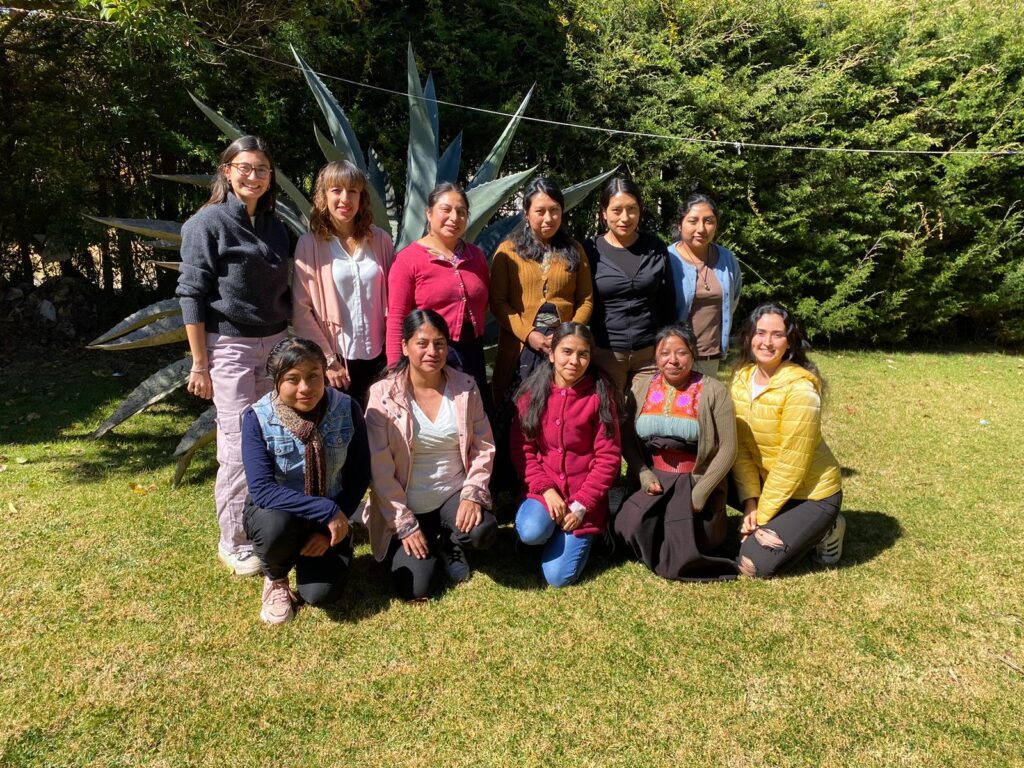
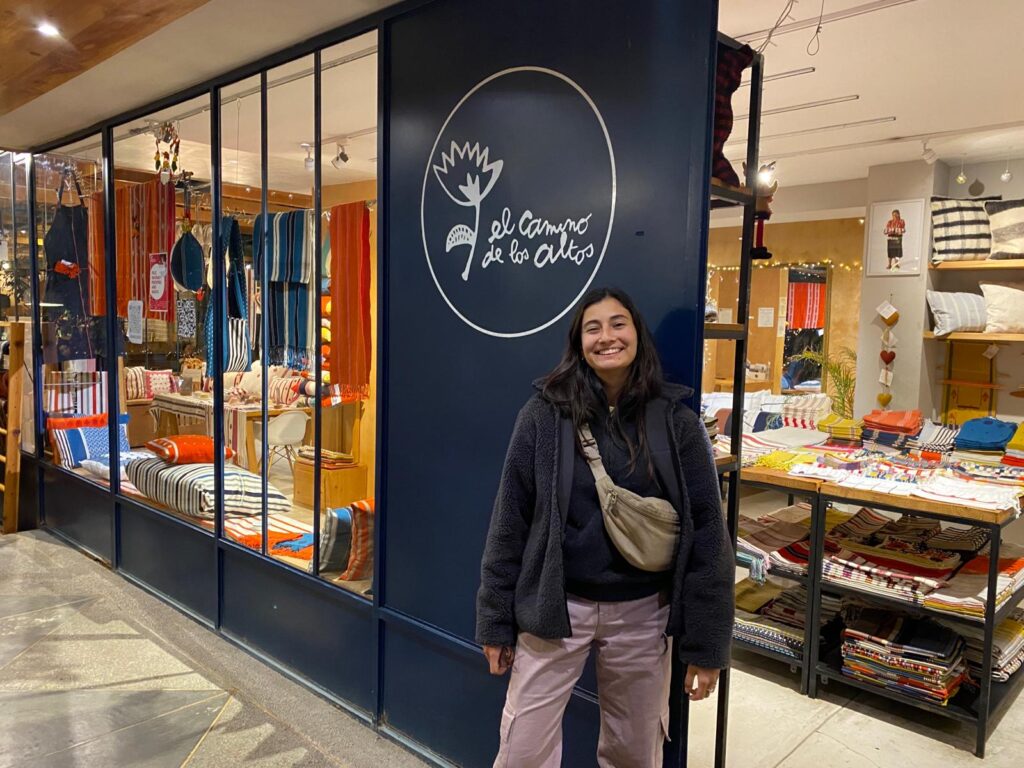
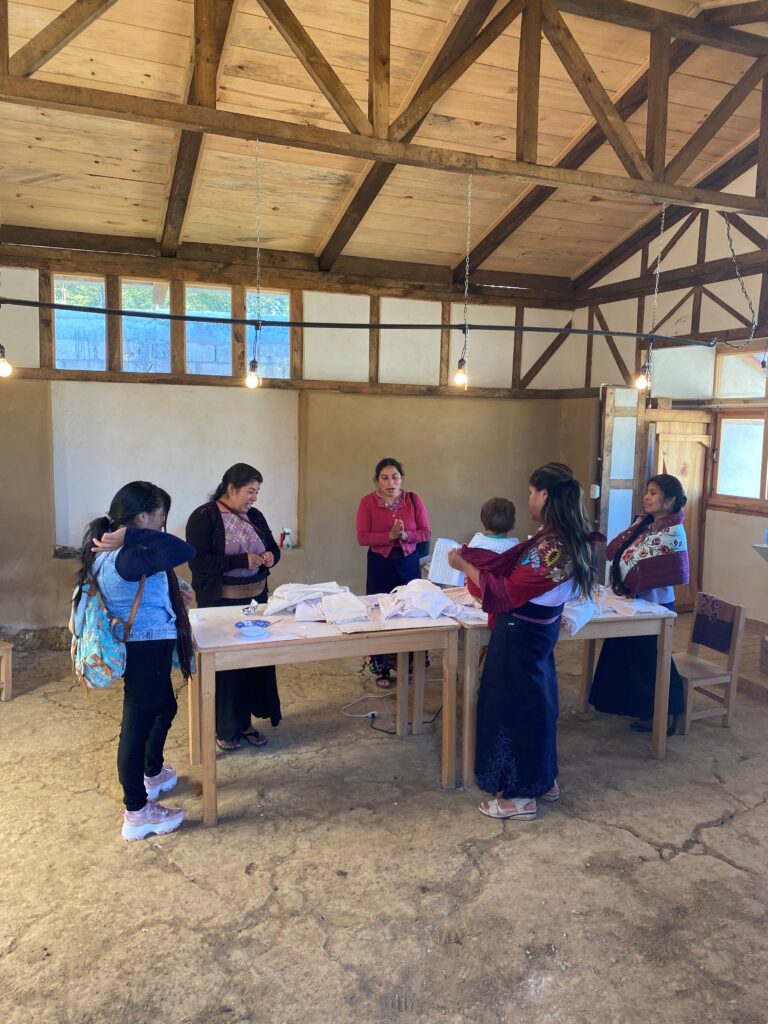
In 2019, the Guild funded the construction of a screen printing workshop in Zinacantan, enabling women, especially the most isolated, to develop their skills in textiles, plant dyeing, embroidery, screen printing, and sewing. To date, more than 150 women artisans benefit from ECLA's projects. Noa also visited the shop where these unique and handcrafted pieces are sold, which you can take a look at for yourself: https://elcaminodelosaltos.com/.
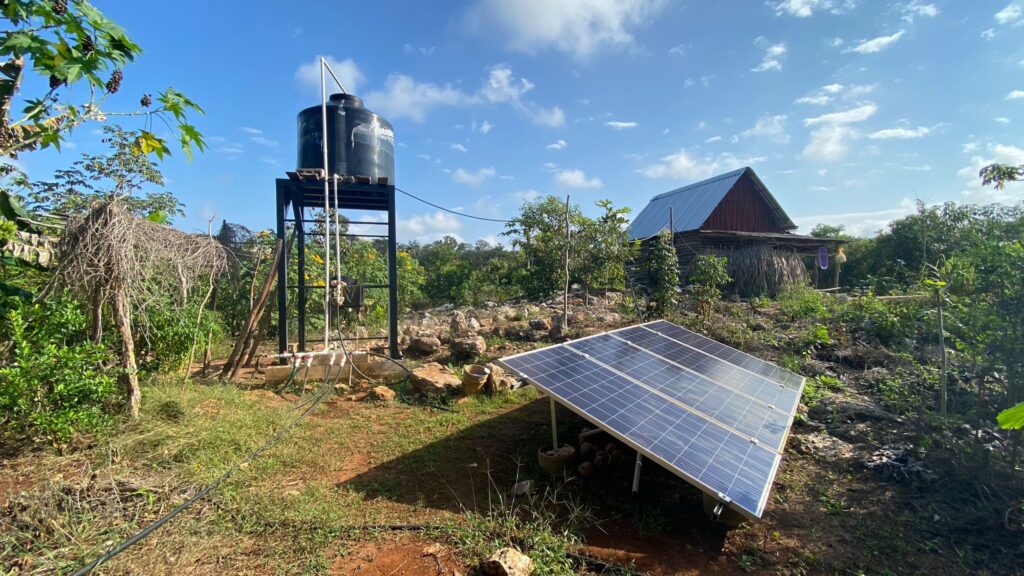
In Yacolbà, in the heart of the Yucatan Peninsula, nestles the Ta Naayta association, a partner of the French association Arutam. After meeting with the association's president, Juan Chan, Noa visited the project—co-financed by La Guilde in 2020—designed to regenerate the traditional Mayan peasant fabric and strengthen food security in the face of climate challenges and mass tourism in these indigenous lands. This initiative has enabled the diversification of crops, particularly fruit trees and aromatic plants, as well as the installation of an irrigation system powered by solar panels on a plot of approximately one hectare.
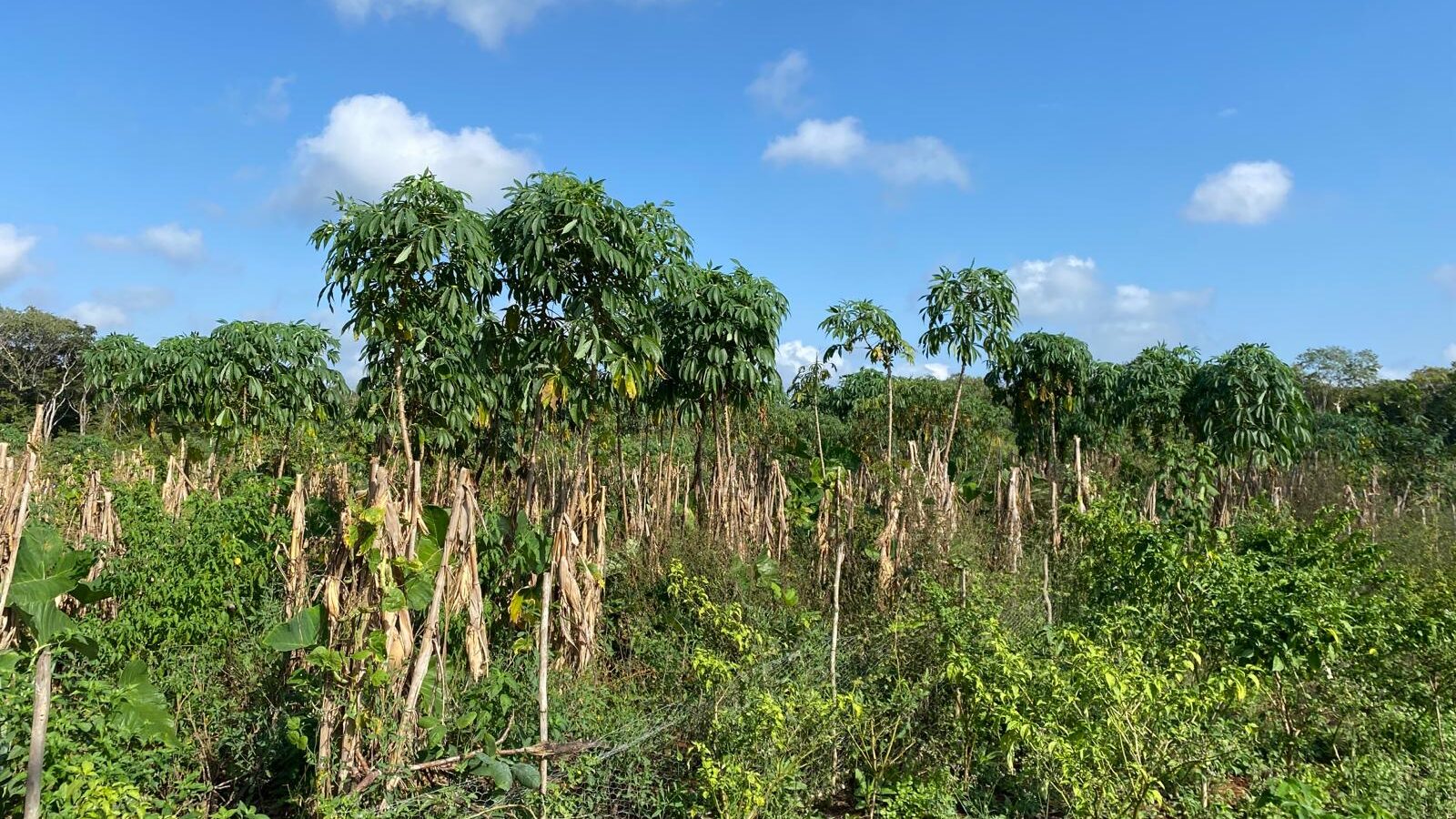
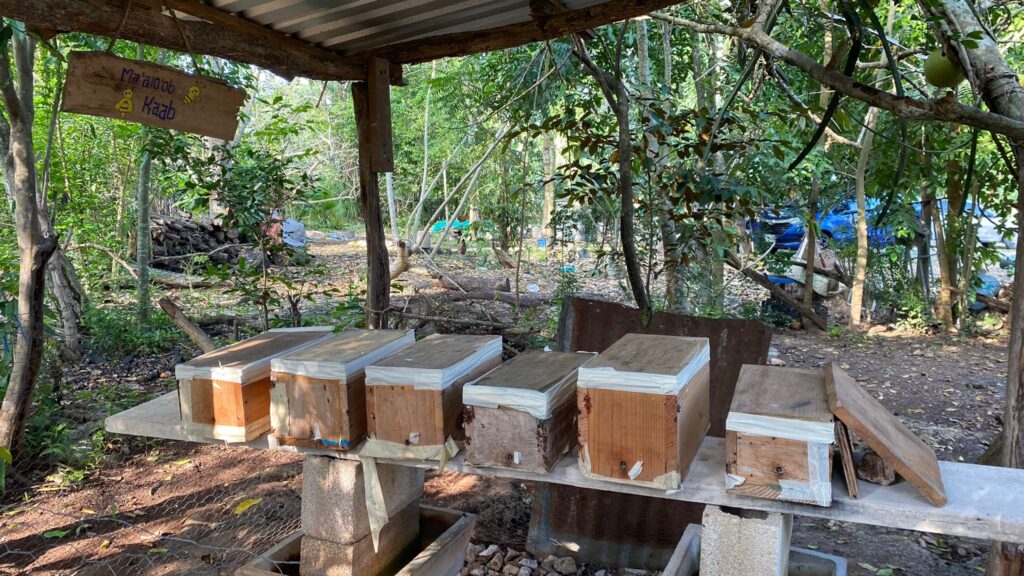
Like these plantations, this project has borne fruit and more than its initial ambitions with extensions such as the planting of watermelons and lemon trees but also the multiplication of hives of endemic melipona bees received by five mothers, going from a single apiary to thirteen over two years. These completely harmless bees produce a honey with great medicinal properties and are perfectly adapted to the patio of the Mayan household. These women have also received training in the breeding of these bees as well as in the processing and use of honey in order to improve its sale in various forms.
These two projects illustrate the virtuous impact of the initiatives supported by La Guilde in Mexico, contributing to better inclusion of Mayan women and the preservation of traditional practices in often difficult and precarious contexts.